
Start with Hold Me Tight by Dr. Sue Johnson if you want to explore the feelings behind your talks and arguments. For help finding the right words, try Nonviolent Communication. If listening is your main goal, look at You’re Not Listening or I Hear You.
Each book has a different focus. Read a few pages before you buy. Look for ideas that make sense to you and something you would like to try.
What would you like help with?
Maybe you want to feel closer. Maybe you want to ask for help without starting a fight. Or you may want to listen without jumping in with advice. Choose one goal first.
| Your goal | Books to consider | What to look for |
|---|---|---|
| Feel closer to your partner | Hold Me Tight; Secure Love | Stories and questions about feelings, needs and the ways you react to each other. |
| Ask for what you need | Nonviolent Communication; Say What You Mean | Examples of clear requests that leave room for an answer. |
| Listen without rushing to fix things | You’re Not Listening; I Hear You | Ways to pay attention, ask more and show that you understand. |
| Raise a hard topic | Difficult Conversations; Crucial Conversations | Help with starting the talk and hearing a different point of view. |
| Plan a talk about life together | Eight Dates | Topics and questions you both want to spend time on. |
| Get to know people better | How to Know a Person | Stories and ideas about paying close attention to other people. |
If you would rather write things down, try the couples workbook guide. For more kinds of relationship reading, see our relationship-book guide.
Ten books to help you talk and listen
Here is what each book covers, along with a simple way to see whether it suits you.
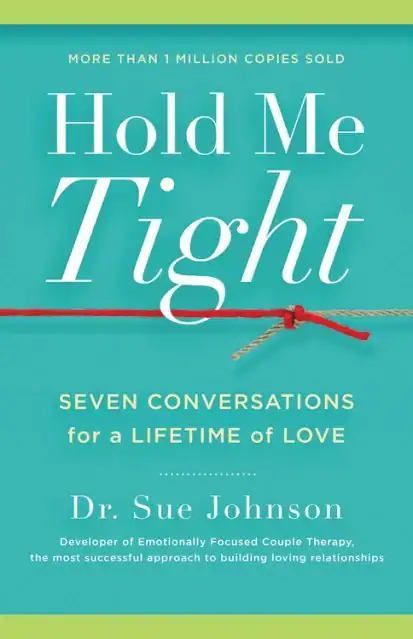
Hold Me Tight
Sue Johnson
Good for: Understanding the feelings behind an argument.
Dr. Sue Johnson walks through seven talks about love and closeness. Stories and exercises explore the ways partners reach for each other or pull away.
Try this before you buy: Read a section that reminds you of your own talks. See whether the questions help you put your feelings into words. Read more about this book.
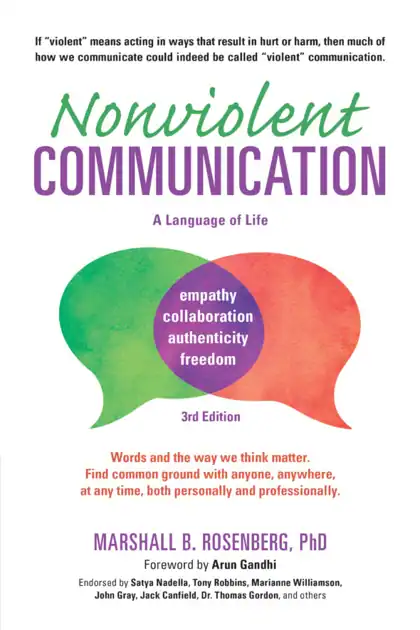
Nonviolent Communication: A Language of Life
Marshall B. Rosenberg
Good for: Saying what you feel and asking for what you need.
Rosenberg breaks a message into four parts: what happened, how you feel, what you need and what you ask for. The third edition uses examples from home, work and other parts of life.
Try this before you buy: Read one example out loud. Does the wording sound like something you would say? Try putting the idea in your own words. Read more about this book.
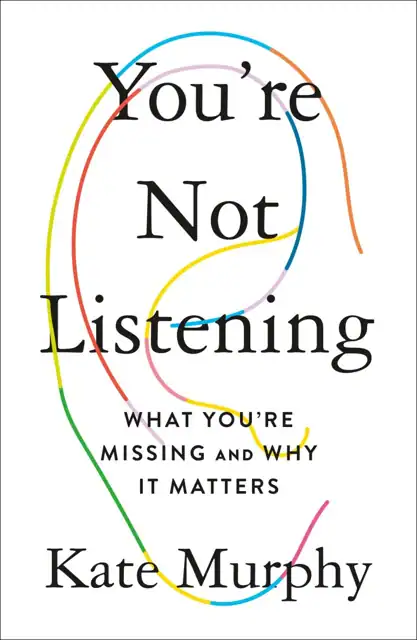
You’re Not Listening
Kate Murphy
Good for: Giving someone your full attention.
Murphy draws on interviews and stories to explore how we listen and why we miss things. This is a book to read and think about, with a broad view of daily life.
Try this before you buy: Read a few pages and see whether you like the writing. Pick out one habit you would like to change. Read more about this book.
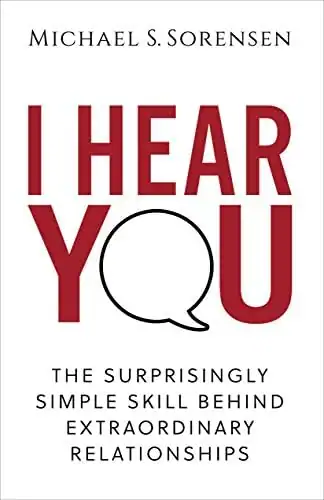
I Hear You
Michael S. Sorensen
Good for: Helping someone feel heard.
Sorensen focuses on showing that you understand another person’s feelings. The examples cover partners, friends, family and people at work.
Try this before you buy: Look for an example that helps you show care even when you see the issue in a different way. Read more about this book.
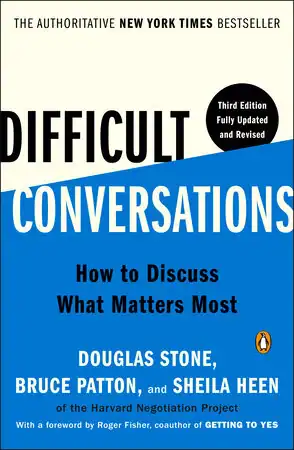
Difficult Conversations
Douglas Stone, Bruce Patton and Sheila Heen
Good for: Starting a talk you have been putting off.
Stone, Patton and Heen explore talks that bring up strong feelings or different views of what happened. The third edition covers home and work.
Try this before you buy: Choose one topic you need to raise. See whether a few pages help you decide what to say and what to ask. Read more about this book.
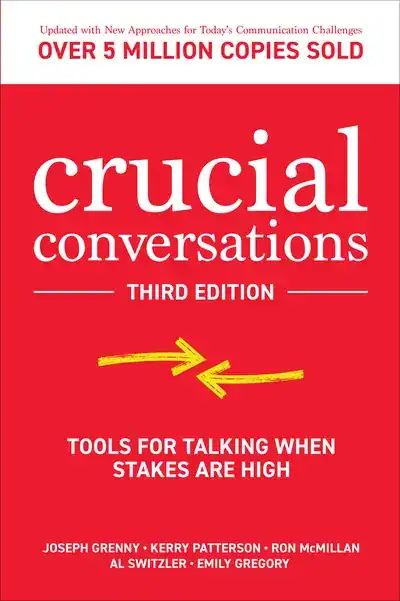
Crucial Conversations
Joseph Grenny, Kerry Patterson, Ron McMillan, Al Switzler and Emily Gregory
Good for: Speaking when the stakes feel high.
The third edition covers talks where views differ and feelings run strong. It includes ways to prepare, speak up and agree on what happens next.
Try this before you buy: Look at the examples. Decide whether you can use the ideas at home, even when a story is set at work. Read more about this book.
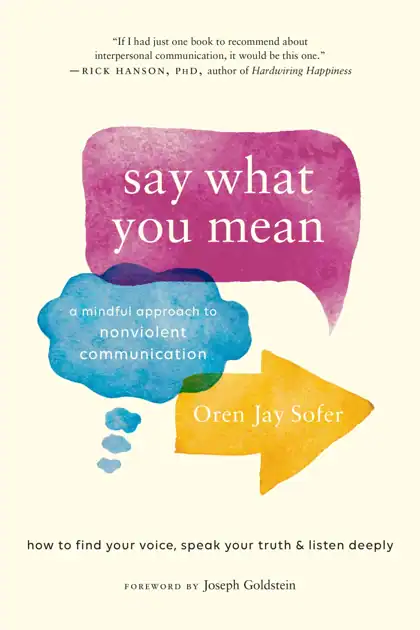
Say What You Mean
Oren Jay Sofer
Good for: Slowing down so you can speak and listen with care.
Sofer brings together mindfulness and Nonviolent Communication. The book includes exercises for paying attention and speaking about what matters to you.
Try this before you buy: Try reading the steps for one exercise. Would you enjoy this quiet, thoughtful way of learning? Read more about this book.
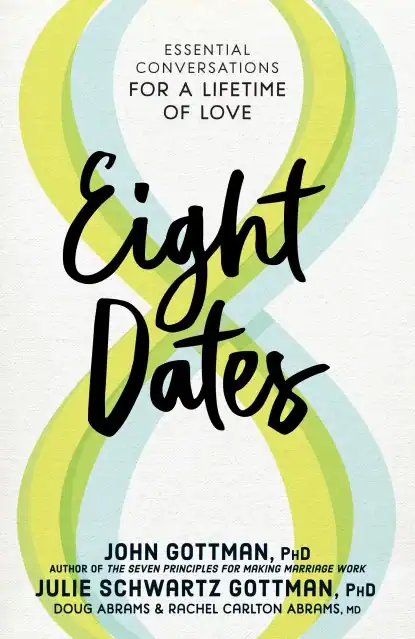
Eight Dates
John Gottman, Julie Schwartz Gottman, Doug Abrams and Rachel Carlton Abrams
Good for: Making time for a planned talk together.
Eight Dates gives you eight topics to explore, such as trust, money, family and dreams. Questions and activities give each talk a place to start.
Try this before you buy: Pick a topic you both want to discuss. Read its opening pages together to see whether you like the format. Read more about this book.
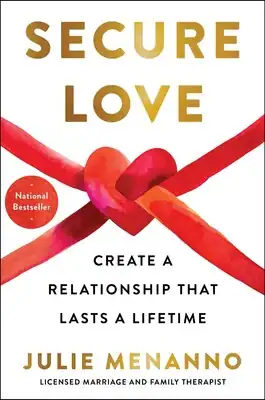
Secure Love
Julie Menanno
Good for: Understanding why a small moment can turn into a bigger fight.
Menanno uses attachment ideas to explore what partners need from each other. Her examples show how to name those needs and try a different response.
Try this before you buy: Read one exchange. See whether the suggested words fit the way you and your partner talk. Read more about this book.
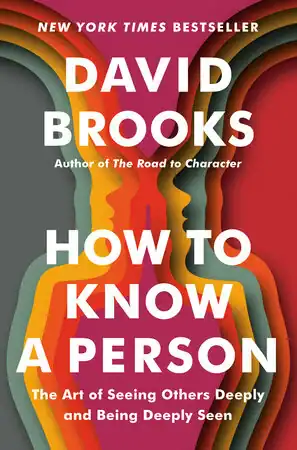
How to Know a Person
David Brooks
Good for: Getting to know people more deeply.
Brooks explores how we pay attention, ask questions and learn about another person’s life. His stories reach beyond couples to friends, family and other people we meet.
Try this before you buy: Read a few pages and decide whether you want this broader view. The publisher also offers a reading guide. Read more about this book.
Read a few pages before you choose
Open a free preview on the publisher’s site, browse a copy in a shop or borrow it from the library. Look for these three things.
- 01A clear idea
Can you explain it in your own words?
- 02A useful example
Does the talk sound like one you might have?
- 03Something to try
Do you know what to do next?
Does the writing make sense to you?
Choose a section about the thing you want help with. If you want to listen better, read a few pages on listening. You should be able to follow the idea without stopping to look up lots of words.
Can you picture using the words?
A book may offer a line you can borrow. Try saying it out loud. If it feels stiff, use your own words and keep the point clear.
For example, you could say: “Could we set aside some time tonight to talk about this week? I want to share what I can take on and hear what you need.”
What does the book ask you to do?
Some books ask you to think about a story. Others give you questions to answer or a talk to have together. Choose the kind of practice you would enjoy.
For a closer look at one approach, the publisher offers a free chapter from Nonviolent Communication. Read how it links feelings and needs, then see whether you like that way of thinking.
Two findings worth a closer look
Good listening can include a follow-up question
A 2025 study looked at conversations among 646 people meeting someone new. During ten-minute talks with set topics, follow-up questions and words that showed understanding were linked to a stronger sense of connection.
That gives you something useful to look for in a listening book. Does it show you how to ask a bit more? For example, if someone mentions a rough day, you might ask, “What was the hardest part?” before offering advice.
A small thank-you can go a long way
A 2022 study followed 125 couples for five weeks. In one group, a partner made a five-minute plan to say thank you more often. Over the next three weeks, the increase in time together was about 68 minutes a day greater than in the other group, based on the couples’ reports.
A book with small things to try can make it easier to get started. Look for a clear step, such as naming one thing your partner did that you were glad about.
Choose one book to start with
You can copy these notes onto your phone or print this part of the page.
My next read
- I want help with
- One goal, such as listening before giving advice.
- The book I am considering
- Write the title, author and edition.
- A page I liked
- Note the page or chapter you want to return to.
- One thing I would try
- Write it in your own words.
- How I want to use it
- Read alone, talk together, listen to audio or write notes.
- My next step
- Borrow it, buy it or read a few more pages first.
Check the format before you order. If you choose audio, see whether the written exercises come with it. For an ebook, check how you will take notes. Compare the full price, delivery time and returns with the seller.
If you already read about attachment, our attachment-book guide can help you choose where to go next.