
The Hold Me Tight Workbook by Dr. Sue Johnson is a place to start if you want to write and talk about your bond. It adds prompts and exercises to the seven talks in Hold Me Tight.
To choose a couples workbook, read one full exercise before you buy. Can you follow the steps? Do you have room to write? Is it something you both want to try? Those answers will help you choose a book you will want to use.
Six questions to ask before you buy
Browse a free preview, look through a copy in a shop or borrow it from a library. Read one whole activity, from the first step to the last.
| Ask yourself | Look for |
|---|---|
| What will we do? | A clear task, such as writing down a thought or taking turns to talk. |
| Who takes part? | Steps that say what you do alone and what you do together. |
| Can we follow the steps? | A clear start, an example and a place to finish. |
| Will the pages work for us? | Text you can read with ease and enough room to write. |
| Can we take it at our own pace? | Ways to pause, skip a question or choose what to share. |
| Do we like the approach? | An author who explains the ideas and shows how to use them. |
If the preview leaves a big question open, look for a few more pages or ask the publisher. You may also find a copy at your library.
Choose a format you will enjoy
A workbook gives you space to write. A journal may give you just one question a day. A book or video can give you more teaching before you try an activity.
| Format | An example | What you do |
|---|---|---|
| Workbook | The Hold Me Tight Workbook | Write, think and work through guided exercises. |
| Book with conversation prompts | Hold Me Tight; Eight Dates | Read an idea, then use questions to start a talk. |
| Question journal | A Year of Us | Answer short prompts and record what you share. |
| Video course | Hold Me Tight Online | Watch lessons and examples, then try guided talks and exercises. |
| Cards or an app | Gottman Card Decks | Choose a question or activity from a deck. |
If you enjoy reading about an idea first, our communication-book guide has more choices. You can also explore our relationship-book guide.
Nine workbooks and journals to consider
Start with the kind of activity you like. The notes below explain what each book offers and what to read before you choose.
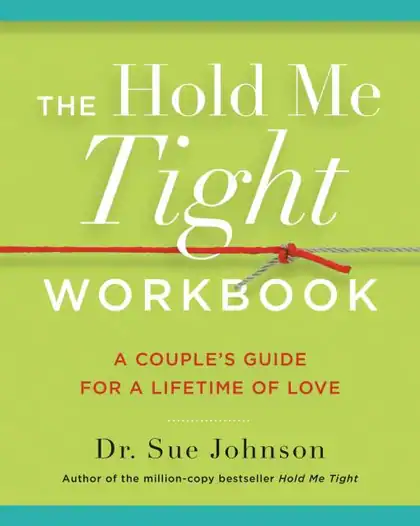
The Hold Me Tight Workbook
Sue Johnson
Good for: Writing and talking about your bond.
This 2022 workbook goes with Dr. Sue Johnson’s Hold Me Tight. It adds prompts and exercises tied to the seven relationship talks.
Try this before you buy: Read one exercise. Decide whether you want pages to write in, the original book to read or both. Read more about this book.
Couples Therapy Workbook
Kathleen Mates-Youngman
Good for: Choosing a topic for your next talk.
Mates-Youngman gives you 30 guided conversations. Each has an introduction, a goal and questions. The book is written for couples and therapists.
Try this before you buy: Pick one topic you care about. See whether the questions give you a clear place to start. Read more about this book.
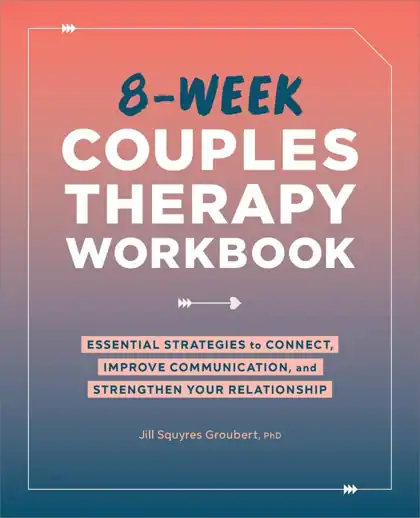
8-Week Couples Therapy Workbook
Jill Squyres Groubert
Good for: Following a plan laid out week by week.
Groubert lays out an eight-week program for couples, with lessons and exercises. The weekly format gives you an order to follow.
Try this before you buy: Read the first week. Think about how you would fit the reading and activities into your lives. Read more about this book.
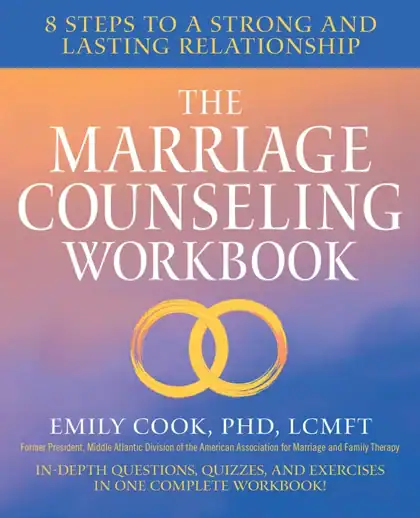
The Marriage Counseling Workbook
Emily Cook
Good for: Learning through exercises as well as reading.
Cook’s workbook covers ways couples can talk, handle conflict and grow closer. It brings questions and exercises into the learning.
Try this before you buy: Read one full activity. See how much you would do on your own and what you would share. Read more about this book.
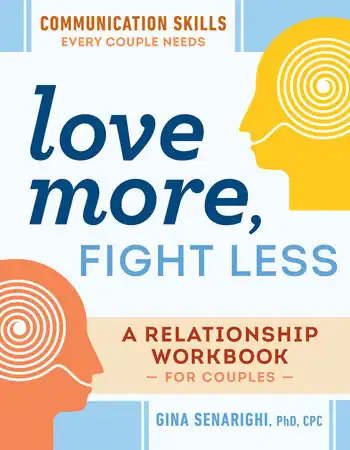
Love More, Fight Less
Gina Senarighi
Good for: Trying exercises for talking and handling conflict.
Senarighi offers skills and activities for couples. The book covers topics such as feelings, needs and ways to work through a hard moment.
Try this before you buy: Choose an exercise about an issue you know. Are the steps clear enough for you to follow? Read more about this book.
An Emotionally Focused Workbook for Couples: The Two of Us
Veronica Kallos-Lilly and Jennifer Fitzgerald
Good for: Exploring the cycle you fall into together.
Kallos-Lilly and Fitzgerald draw on Emotionally Focused Therapy. The second edition helps readers look at their patterns, feelings and needs.
Try this before you buy: Read the first activity. Decide whether you want to work through it together or bring it to a therapy session. Read more about this book.
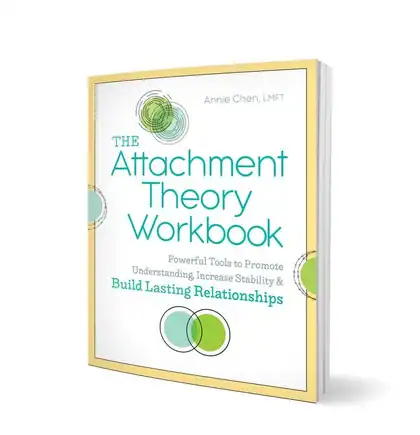
The Attachment Theory Workbook
Annie Chen
Good for: Thinking about your own attachment patterns.
Chen uses prompts and exercises to explore attachment and close bonds. Some of the work is private reflection, so you can think before you share.
Try this before you buy: Read a page you would complete alone. See whether the questions help you put your thoughts on paper. Read more about this book.
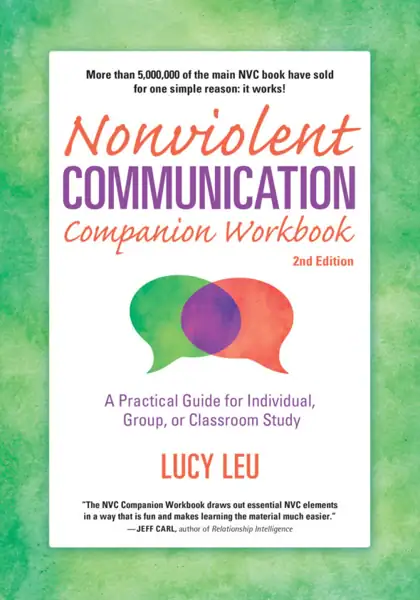
Nonviolent Communication Companion Workbook
Lucy Leu
Good for: Practicing Nonviolent Communication.
Leu’s companion workbook gives you ways to practice ideas from Rosenberg’s book. It can be used alone, with others or in a learning group.
Try this before you buy: Read how the book is meant to be used. Check whether you also want a copy of the main book. Read more about this book.
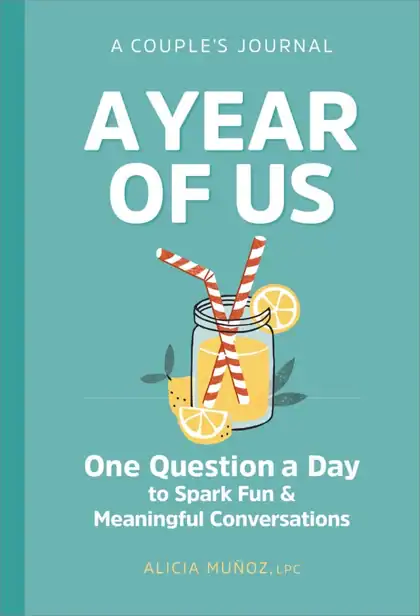
A Year of Us: A Couple’s Journal
Alicia Muñoz
Good for: Starting with a short daily question.
Muñoz’s journal offers questions for a couple to answer over a year. It gives you space to record what you share.
Try this before you buy: Read a few prompts. Would you enjoy a daily question, or would you rather use it now and then? Read more about this book.
Would you rather read, then talk?
A book with planned topics may suit you if you like to talk more than write. Along with Hold Me Tight, here is another option.
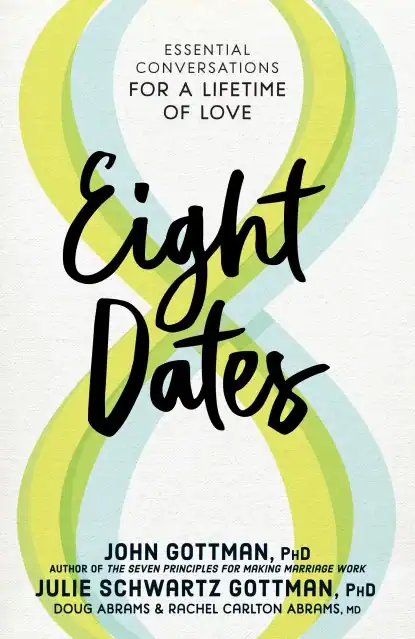
Eight Dates
John Gottman, Julie Schwartz Gottman, Doug Abrams and Rachel Carlton Abrams
Good for: Making time for talks on big life topics.
Eight Dates gives you eight themes, such as trust, money, family and dreams. Prompts and activities help you start each talk.
Try this before you buy: Read a topic you both want to explore. See whether you prefer this format to filling in workbook pages. Read more about this book.
A made-up example: Alex and Sam
Alex likes to write things down before talking. Sam would rather talk and does not want a daily journal. They want help planning household tasks.
Their plan for choosing a workbook
- What they want to do
- Think about the week’s tasks, then talk about how to share them.
- What would suit both of them
- A short exercise with time to think alone before they talk.
- What they look for
- Clear steps and enough room for Alex to make notes.
- What they leave off the list
- A daily journal, since that is not a format Sam wants to use.
- Their next step
- Read a full exercise together before buying the book.
You can use the same approach. Start with what you each like, find one activity and see whether it works for both of you.
A small habit worth trying
A workbook can give you a way to turn a thought into a small action. Saying thank you is one example worth a closer look.
In a 2022 study of 125 couples, one group had a partner make a five-minute plan to thank the other person more often. Over the next three weeks, that group reported a greater increase in time together. The difference in the increase was about 68 minutes a day, compared with the other group.
When you browse a workbook, look for small steps you would want to repeat. A prompt to name one thing you are glad your partner did may be easier to start than a broad goal like “be more grateful.”
For example, you might say, “Thanks for making dinner while I finished that call. It helped me get through a busy evening.” You can look for exercises that help you put that kind of thought into your own words.
Make a small plan for your first exercise
Check what you are buying
- Match the title and edition. The main book and its companion workbook may be sold on their own.
- Choose a format. For an ebook or PDF, check how you will write your answers. You may want a separate notebook.
- Look for anything else you need. Check for a companion book, printed pages or supplies.
- Check how you will use it. Think about text size, language and space to write. For video, check captions if you need them.
- Read the seller’s details. Check the full cost, delivery or access, and returns before you order.
Choose a time that works for both of you
Pick one exercise to try. Decide whether you want to think alone first or work through it together. Each person can choose what to share and when to stop.
If one person wants to read alone, look for pages meant for one reader. If you already see a therapist, you could ask which exercises might fit your work together.
Your workbook buying note
- What we want help with
- Write one thing you would like to talk about or try.
- The format we like
- Write what each of you enjoys: reading, writing, talking or watching.
- An exercise we would try
- Note the book, chapter and page.
- What we need to buy
- Write the title, edition, format and anything else you need.
- Our next step
- Read a few more pages, borrow it or buy it.
Choose one activity you both want to try, in a format you like. That gives you a clear place to begin.