

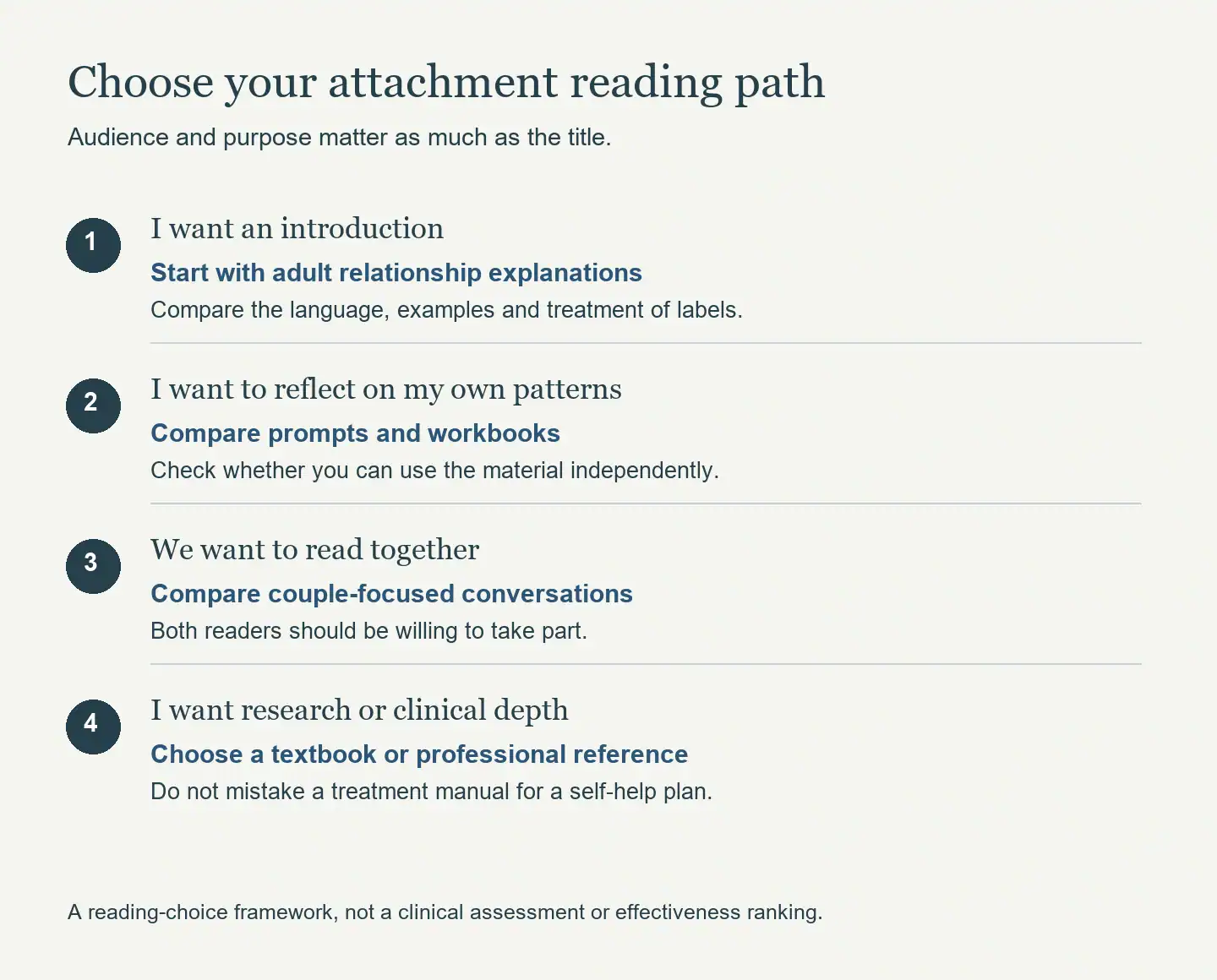
For an introduction to adult attachment, compare Attached with Love Sense. For couple-focused examples and conversations, look at Secure Love, Hold Me Tight and the second edition of Wired for Love. For written reflection, compare The Attachment Theory Workbook. Choose an academic reference when your goal is to study the research itself.
Attachment books can look similar while asking readers to do quite different things. Some explain patterns, some offer prompts and some train clinicians. This guide separates those purposes so you can choose a book for your actual question.
Choose a reading path
Start by deciding whether you want an explanation, private reflection, shared conversation or research depth. You do not need to identify your attachment “type” before making that choice.
| Reading purpose | Books to compare | Important distinction |
|---|---|---|
| Understand adult relationship patterns | Attached; Love Sense; Secure | Dating examples, romantic bonding and wider social relationships have different scope. |
| Reflect on anxiety and closeness | Anxiously Attached; The Attachment Theory Workbook | Compare explanatory reading with written prompts; neither provides a diagnosis. |
| Read with a willing partner | Hold Me Tight; Secure Love; Wired for Love | Compare conversations, communication examples and everyday routines. |
| Explore a particular context | Polysecure; The Power of Attachment | Consensual nonmonogamy and a trauma-oriented approach are distinct subjects. |
| Study theory or professional application | Attachment in Adulthood; Attachment Theory in Practice | A research reference and a clinical manual serve different readers from self-help books. |
Introductions and books for personal reflection
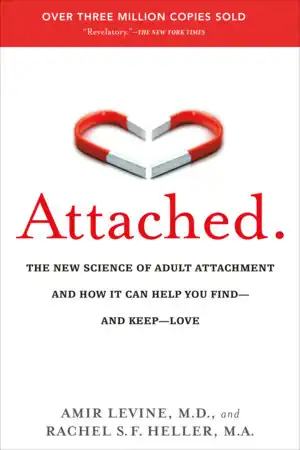
Attached
Amir Levine and Rachel S. F. Heller
This book introduces attachment through adult relationship examples and category language. It is a useful comparison point if dating or interpreting closeness is your main question. Read the sample with a specific situation in mind, while resisting the temptation to treat a category as a complete explanation of another person. Publisher details and available formats.
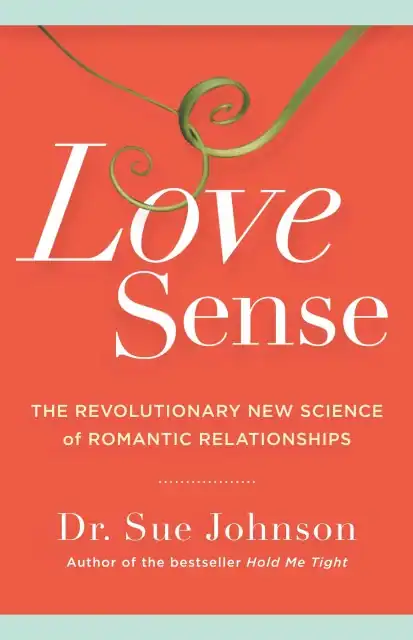
Love Sense
Sue Johnson
This general-reader book explores romantic bonding and emotional connection. Compare it when you want an explanation of the bond between partners rather than primarily a dating framework or a sequence of written exercises. It is separate from Johnson’s professional books on therapy. Publisher details and available formats.
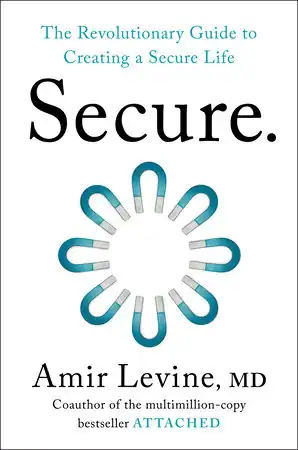
Secure
Amir Levine
Published in April 2026, this title takes security into relationships beyond romantic partnerships, including friendship, family and work. It may fit a reader whose question spans several parts of life. Its publication date and publisher’s description do not establish independent validation of every proposed technique. Publisher details and available formats.
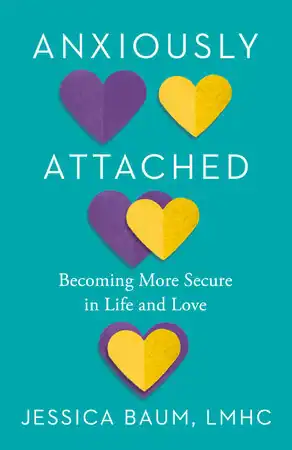
Anxiously Attached
Jessica Baum
This book focuses on relationship anxiety, boundaries and self-worth. Compare its explanatory style with a workbook if you want to reflect on your own responses. Keep the distinction between recognizing a familiar description and receiving an individualized assessment. Publisher details and available formats.
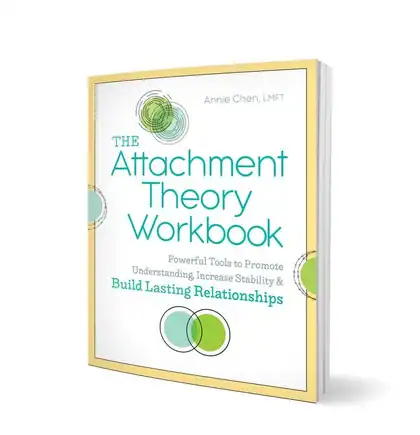
The Attachment Theory Workbook
Annie Chen
This workbook offers prompts and exercises that can be used individually or jointly. It may fit readers who prefer writing to long explanatory chapters. The publisher expressly distinguishes its quizzes from diagnosis. Check the response format and whether a particular exercise assumes another participant. Publisher details and available formats.
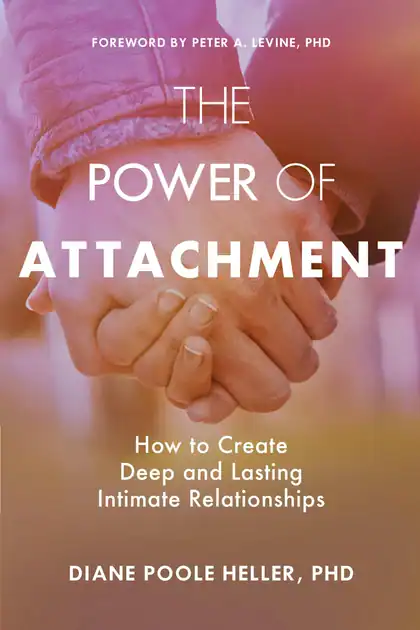
The Power of Attachment
Diane Poole Heller
This book takes an experiential, trauma-oriented approach to attachment. Preview its language and exercises before deciding whether that approach matches your aim. Peter A. Levine contributes the foreword; Diane Poole Heller is the author. A self-help format should not be mistaken for individualized trauma treatment. Publisher details and available formats.
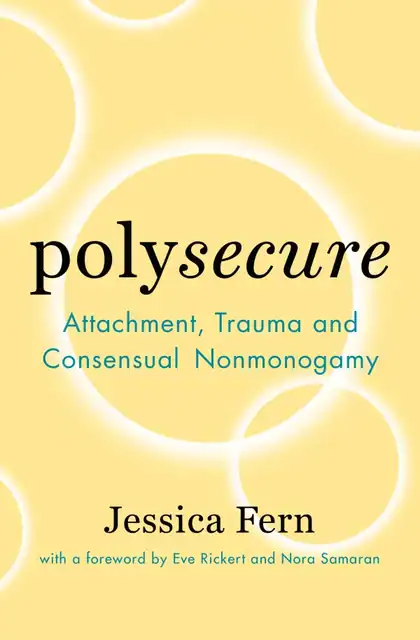
Polysecure
Jessica Fern
This book explicitly addresses attachment in consensually nonmonogamous relationships. Compare it when that relationship context is central to your question. Its focus makes it different from books written primarily around a two-person monogamous couple; it should not be treated as a universal relationship prescription. Publisher details and available formats.
Books to compare for reading together
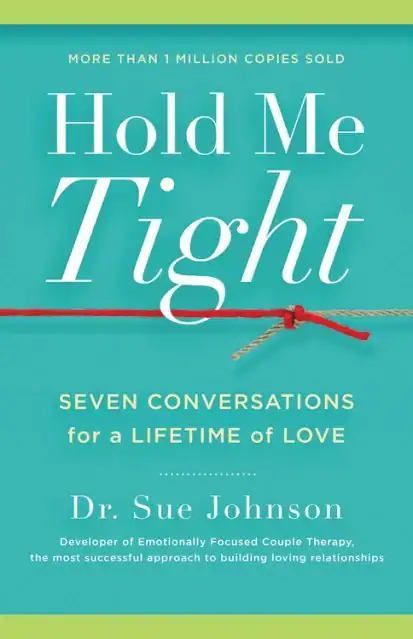
Hold Me Tight
Sue Johnson
Seven conversations organize this book’s exploration of the emotional bond between partners. Compare it if you want a shared language for disconnection and needs. Before committing to a joint reading plan, check whether both of you are interested in its conversation-led format. Publisher details and available formats.
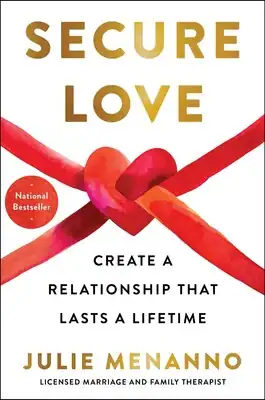
Secure Love
Julie Menanno
This book brings attachment ideas into recurring couple patterns, with communication examples and exercises. Its 2024 hardcover and 2026 paperback belong to the same work. Read an excerpt to see whether its treatment of negative cycles and dialogue addresses your question. Publisher details and available formats.
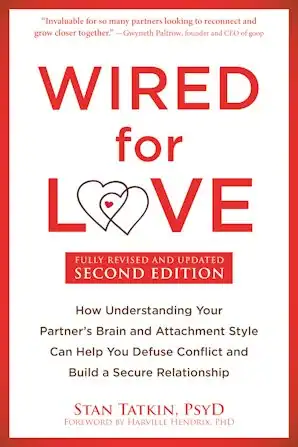
Wired for Love
Stan Tatkin
The revised second edition was published in 2024. Its ten principles connect couple security with everyday practices and routines. Check the edition in the seller’s listing and compare an exercise with the conversation formats above. This is an editorial format comparison, not a finding that one method works better. Publisher details and available formats.
For a wider selection that includes conflict, marriage habits and sexual connection, see the relationship book comparison guide.
Books for academic and clinical depth
Textbooks can be valuable when you want definitions, measurement and research history. Clinical manuals assume a different purpose and level of preparation. Neither should be bought on the assumption that its technical detail makes it a better personal exercise book.
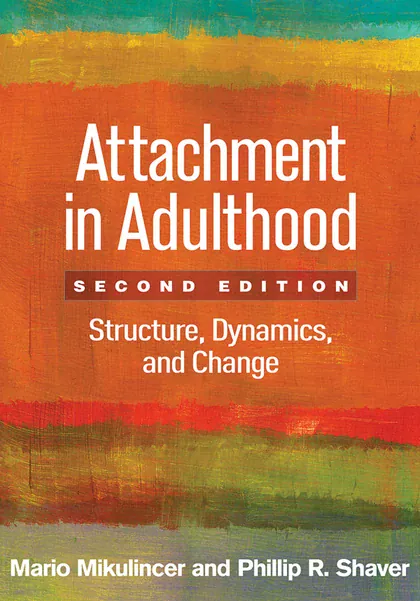
Attachment in Adulthood
Mario Mikulincer and Phillip R. Shaver
The second edition is a substantial research reference on adult attachment, its processes and change. The publisher lists a 2016 second edition and a 2017 paperback. Compare the contents and sample if you want academic depth; its 690-page scope asks for a different commitment from a general-reader introduction. Publisher details and available formats.
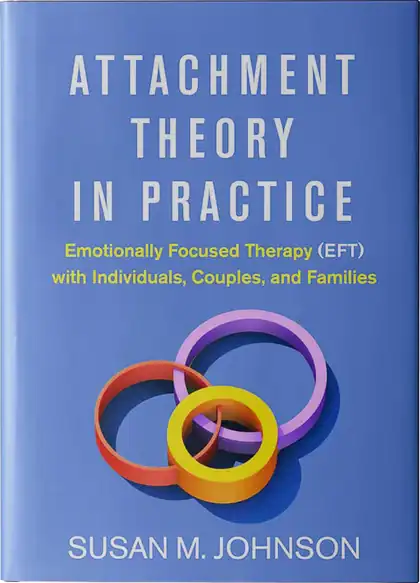
Attachment Theory in Practice
Susan M. Johnson
This professional book addresses Emotionally Focused Therapy with individuals, couples and families. Its contents and sample frame attachment as a basis for clinical practice. It is a clinician-oriented work, not a set of instructions for diagnosing or treating yourself or your partner. Publisher details and available formats.
Attachment Theory: The Basics
Ruth O’Shaughnessy, Katherine Berry, Rudi Dallos and Karen Bateson
This Routledge title addresses students and practitioners across the lifespan. Check the audience and contents before treating it as a couples workbook. Publisher details and available formats.
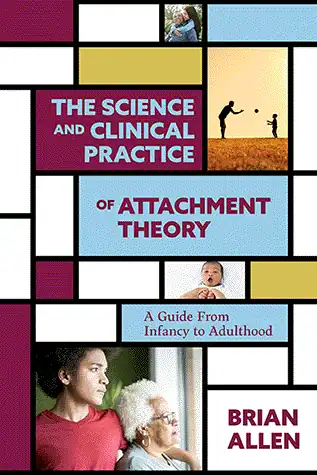
The Science and Clinical Practice of Attachment Theory
Brian Allen
Published by the American Psychological Association in 2023, this book examines attachment research and clinical applications. Check the audience and contents before treating it as a couples workbook. Publisher details and available formats.
How to read attachment labels with care
Popular books may use three or four categories. Research can instead measure adult attachment through continuous dimensions of anxiety and avoidance. R. Chris Fraley’s research overview explains this distinction and why infant attachment measures and adult romantic attachment measures should not be treated as interchangeable.
A 2025 study involving 619 Spanish adults found different patterns depending on the questionnaire used. Its nonrandom sample and self-report design limit wider conclusions. It gives a reason to ask how a book defines and measures attachment; it does not show that all categories are meaningless.
Use a label to form a question about a particular interaction: “What happens when I need reassurance?” or “What happens when a conversation feels overwhelming?” Avoid turning it into a verdict about a whole person. A category cannot establish a partner’s intentions, diagnose a disorder or decide compatibility for you.
What recent research adds, and what it cannot answer
- A 2026 longitudinal study of 263 Canadian couples examined attachment, communication and satisfaction across five assessments. It studied associations over time, not the effects of reading a book. Self-report and the selected sample limit what it can establish.
- A 2024 study of attachment and emotion-regulation flexibility examined responses in relationship contexts. Its mainly young, female, White Western samples limit generalization. It does not support assuming that every person with a similar attachment score behaves alike.
- A 2025 meta-analysis of self-compassion and attachment synthesized associations from literature searched through November 2022. Those associations do not show that a particular self-compassion exercise changes attachment. The paper’s publication year is not the year all its data were collected.
The broader research synthesis on attachment and stress by Simpson and Rholes also emphasizes context. These sources help readers question sweeping claims about permanent types or guaranteed change. They do not identify a single most effective attachment book.
Is reading itself proven to help?
A 39-couple Danish pilot compared an online relationship program with a book-based condition that included a reading guide and planned conversations. Its small sample and lack of an untreated comparison limit the conclusions. A 2026 larger-trial protocol sets out planned methods, not results. Neither establishes the effectiveness of the individual books listed here.
This guide helps you choose educational reading. It does not diagnose attachment, replace individualized care or provide a treatment plan. If reading or an exercise causes distress, pause and consider qualified support. If there is fear, coercion or violence, seek individual support rather than relying on joint exercises.
Check a sample before buying
Compare two samples using the same questions. Keep a note of the chapter or example that answers your own question, rather than choosing from the label on the cover alone.
An attachment reading worksheet
- My purpose: Am I looking for explanation, personal reflection, shared conversation or academic depth?
- Its audience: Who is the book written for? Does it assume a partner, a particular relationship structure or professional training?
- Its explanation: How does it define attachment? Does it make room for context and uncertainty?
- Its evidence: Is a claim supported by research on attachment, a therapy, this exact intervention or only a personal example?
- My choice: Which passage is useful enough to justify borrowing or buying this book?
This worksheet is an editorial selection aid, not a validated test. You can copy it into a notebook.
For ebooks, check adjustable text and the usability of response spaces on your device. For audiobooks, confirm whether any referenced worksheets are included. Samples, editions, companion materials and regional availability can differ by seller.
Cover images identify the editions shown. Designs can differ by format or region; check the linked publisher listing before buying.
Sources and selection method
Publisher records linked with each title support the author, audience, format and edition facts. Available contents and excerpts were used to distinguish reading purposes. Research links support the evidence qualifications. Titles were not scored for clinical effectiveness, and no outcome was inferred from sales, reader ratings or author credentials.
Details were checked on 10 November 2026. A new edition or a completed trial may change a specific comparison. For factual corrections or broken links, please use the site’s contact page.