
When a reply takes longer than you hoped, your mind may fill in the blank. “Did I say something wrong?” “Are they pulling away?” A good book can help you put words to that worry and decide what to do next.
Start with Love Sense by Dr. Sue Johnson if you want to know why distance can feel so big. If you both want to talk about what happens when one of you reaches and the other steps back, try her book Hold Me Tight. If you want a page you can write on by yourself, look at The Anxious Attachment Recovery Workbook.
You can choose based on one moment you want to understand. That makes for a better first read than trying to make sense of your whole love life at once.
Compare the books
| Book | What you’ll do | What to look for |
|---|---|---|
| Love Sense | Read about why closeness and distance matter | An example that helps you put a feeling into words |
| The Hold Me Tight Workbook | Write, then talk together when you’re ready | A prompt you can think about before you share |
| Hold Me Tight | Talk about a moment you both remember | A talk about what each of you felt and needed |
| The Anxious Attachment Recovery Workbook | Write about what sets off worry | Room to name your needs and choose a small goal |
| The Insecure in Love Workbook | Notice how worry shows up in your body | A short activity you’d use on a hard day |
| The Anxious-Avoidant Trap | Look at how you reach and pull away | A way to describe what each person does when things get tense |
Try one page before you buy
Open a free sample or borrow the book. Pick a recent moment to keep in mind, like the quiet hour after you sent a text. Read a page with these three questions.
- Does it have a real example?
A short story or a sample answer helps you see what the idea looks like on a normal day.
- Whose next step is it?
Look for something you can do, such as naming what you need. If the next step involves both of you, see whether both people get a say.
- Can you go at your own pace?
Check whether you can skip a question, write a few words, or save a talk for later.
Try it with a text. “I sent a message at lunch and haven’t heard back” is what you know. “I’ve done something wrong” is a guess. “Can we find a good time to check in?” is a question you can ask. If a sample page helps you tell those three things apart, it gives you a place to start.
Books use the words anxious and avoidant in different ways. When researchers compared two adult attachment surveys, one did a better job of telling groups apart. Use a label if it helps you name a worry. Give yourself room to notice when you feel at ease, too.
Books to read on your own
Choose this kind of book if you want a story or an idea to think about. A few pages can give you words for a feeling you’ve had for years.
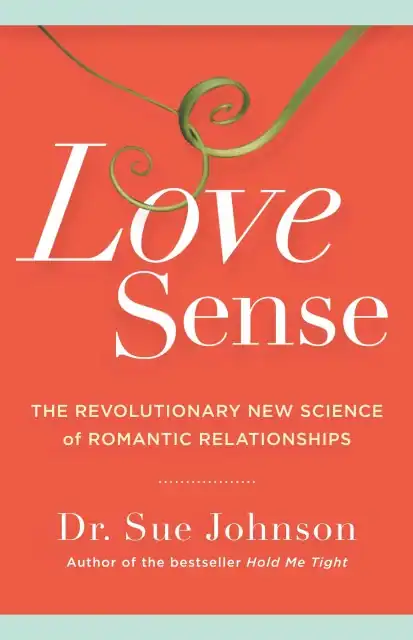
Love Sense
Sue Johnson
Why a small change can feel big
Sue Johnson writes about the bond we form with a partner and why it matters when we feel close or far apart. Start here if you want a bigger picture of love and worry. As you read, notice which story helps you explain one of your own moments.
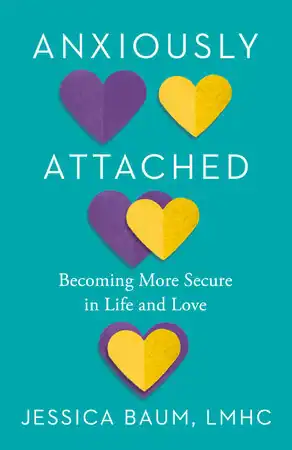
Anxiously Attached
Jessica Baum
When you want to look at your own needs
Jessica Baum writes for readers who feel on edge in love or lose track of what they want. The book mixes stories with tools for looking at your own choices. Try the sample if you’d like a personal voice to read on your own.
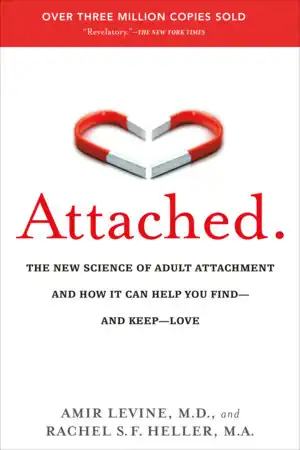
Attached
Amir Levine and Rachel Heller
When you want a short guide to the three styles
Amir Levine and Rachel Heller lay out three common ways of talking about adult attachment. This is a useful read if the terms are new to you. When an example sounds familiar, write down the behavior you saw, like asking for another check-in. That detail is more useful in a talk than a label.
Workbooks for writing things down
Pick a workbook when you know you learn by doing. Look for enough room to write and an example to help you get started.
The Hold Me Tight Workbook
Sue Johnson
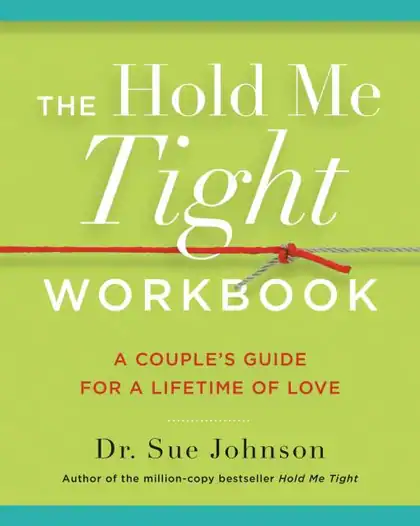
When you want to think on paper before a talk
Sue Johnson’s workbook has questions, activities and prompts for couples. You can read a prompt and jot down your thoughts before you ask your partner to try it with you. Start with a recent, small moment you can both talk about.
The Anxious Attachment Recovery Workbook
Jessica Da Silva
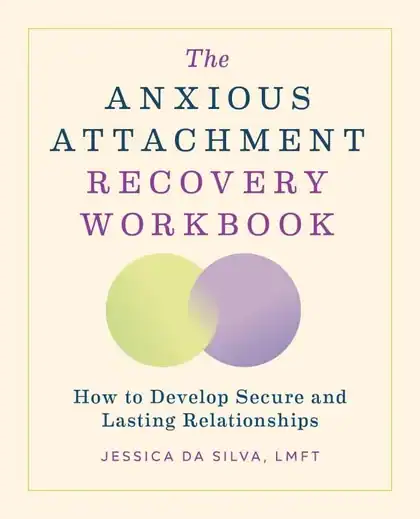
When you want to spot what sets off worry
Jessica Da Silva uses quizzes, short writing tasks and activities in this workbook. Look here if you want to name what matters to you, notice a moment that brings up worry, and make a plan for next time.
The Insecure in Love Workbook
Leslie Becker-Phelps
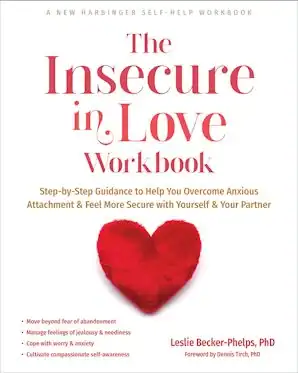
When the worry shows up in your body
Leslie Becker-Phelps gives you exercises to notice body feelings, thoughts and habits. This one may suit you if you go straight from a knot in your stomach to a harsh thought about yourself. See if the kind of language it uses is a voice you’d want to hear on a hard day.
The Attachment Theory Workbook
Annie Chen
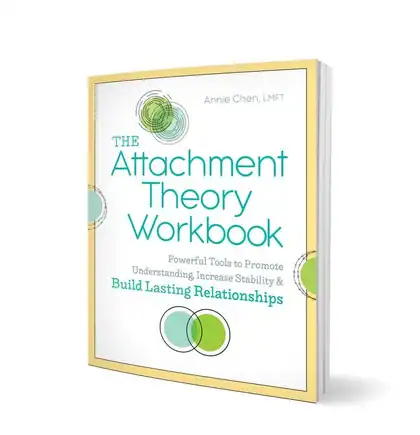
When you want a workbook that looks at more kinds of ties
Annie Chen includes short self-checks and made-up situations to think through. The book looks at ties with friends and family as well as partners. Try it if you want to see where the same worry shows up and where you feel more at ease.
Books for talking together
If both of you want to take part, pick one scene you both remember. You can start with a missed call or a rushed goodbye. Save the harder talks for a time you both choose.
Hold Me Tight
Sue Johnson
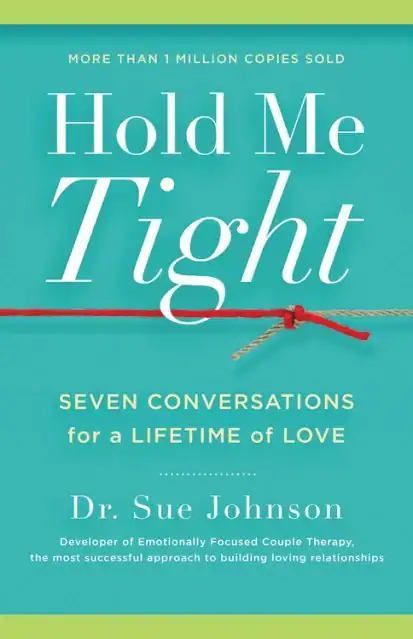
When you’re ready to talk about the pattern
Sue Johnson uses seven guided talks to help partners look at what happens between them. Start with the part about spotting a fight you keep having. Look for what each of you does and what each of you was hoping to get from the other.
Secure Love
Julie Menanno
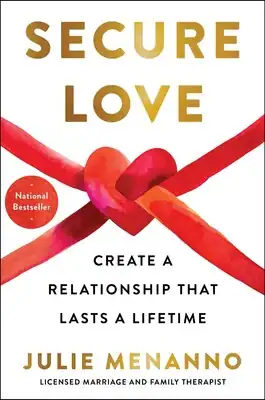
When it helps to see words you could say
Julie Menanno explains how a fight can start to follow the same steps. The book gives sample lines for hard moments. Read one out loud. Keep the idea if it fits, and put it in words you’d use.
The Anxious-Avoidant Trap
Annie Tanasugarn
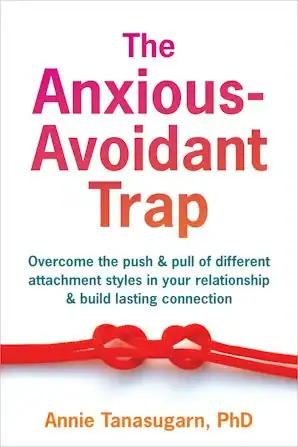
When one person reaches and the other wants space
Annie Tanasugarn looks at couples who want different amounts of closeness or time alone. Consider it if both of you want to see how your parts fit together. A good first question is, “What would make it easier for us to check in after we take a break?”
Make your first read small
You might be tempted to plan a big talk as soon as you get the book. Start with a few pages. If you’re reading on your own, put a mark by one idea you want to think about. If you’re reading together, try it at a time that already feels easy, like after a walk you both like.
That kind of time counts. In a 2026 study of 391 couples, people filled out diaries for three weeks. They tended to feel better about their relationship on days with more shared time that felt familiar and easy. They also reported better days when they did more things that felt new and fun. A first talk over your usual cup of tea can be a good place to begin.
One line to take with you
After one page, finish this thought in your own words.
When I start to worry about ______, the next small thing I can do is ______.
For example, “When I start to worry about that quiet text thread, I can write down what I know before I send another message.” If you want to share what you wrote, ask if now is a good time.
Keep reading
Sources and notes
- How two adult attachment surveys group responses
- Daily couple activities and attachment in three diary samples
This guide features books and a program from the Dr. Sue Johnson site. We used publisher descriptions and available samples to compare what’s inside the books.
Pick a time and place where both people feel free to pass on a question. If it feels unsafe to speak openly with your partner, keep shared exercises on hold and reach out to someone you trust.